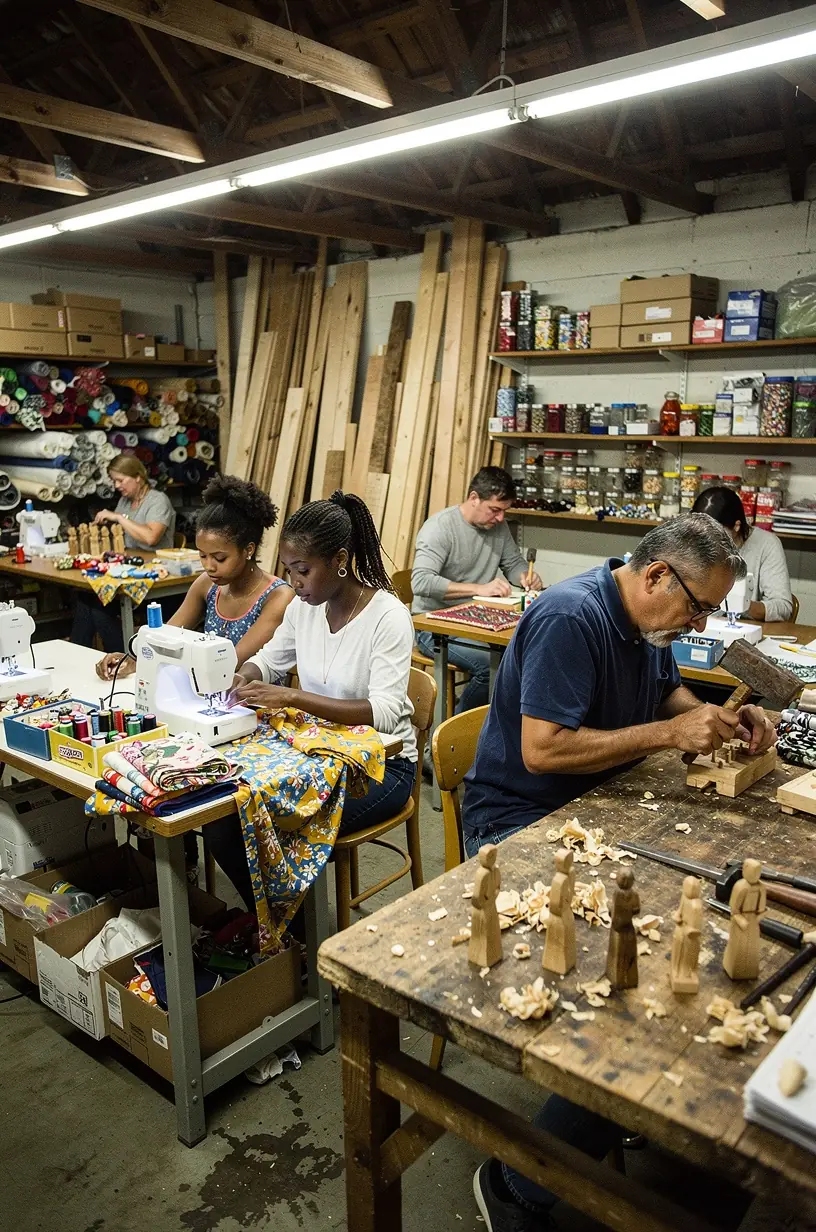
Navigating Local Regulations for Handmade Businesses
Starting a handmade business can be an exciting venture, but it often comes with its own set of challenges, particularly when it comes to understanding local regulations. This guide helps navigate the complexities of compliance to ensure your creative endeavors can flourish legally and sustainably.
Understanding Local Regulations
Every state and locality in the U.S. has its own set of rules governing handmade businesses. These regulations can include health and safety standards, zoning laws, and business licenses. According to the Small Business Administration (SBA), neglecting these requirements can lead to fines or even the closure of your business.

Essential Steps for Compliance
Here are several critical steps to ensure your handmade business meets local regulations:
- Research Your State's Requirements: Many states have specific regulations for handmade products, especially those intended for consumption (like food items). Research indicates that most states require food businesses to register with a health department.
- Obtain Necessary Permits: Depending on your product, you may need various permits, including a sales tax permit and a home occupation permit if you operate from home. Experts recommend checking with your local chamber of commerce for guidance.
- Understand Zoning Laws: If you plan to sell products online or at local markets, it's essential to ensure your home or production space complies with zoning laws. Typically, residential areas have restrictions on commercial activities.
"Many users report that understanding local regulations upfront can save time and resources in the long run."
Common Challenges and How to Overcome Them
While navigating regulations can feel daunting, being aware of potential challenges helps prepare you:
- Time Commitment: Compliance typically takes several weeks. It's advisable to allocate dedicated time to research and gather necessary documents.
- Learning Curve: Expect a learning curve as you familiarize yourself with legal jargon and processes. Consider seeking assistance from local business development centers, as many offer free guidance.
- Staying Updated: Regulations can change, so ongoing education is vital. Subscribing to industry newsletters or joining local artisan groups can provide valuable updates.
Resources for Further Assistance
As you embark on your journey, consider utilizing various resources:
- Local Business Development Centers: These centers often offer free workshops and one-on-one consultations.
- Online Courses: Platforms like Coursera or Skillshare provide courses specifically tailored to small business compliance and regulations.
- State and Local Government Websites: These sites are essential for accessing up-to-date requirements and guidelines.
Conclusion
Navigating local regulations is a critical step for any handmade business owner. By researching requirements, obtaining necessary permits, and staying informed about changing laws, you can create a compliant and successful business. While the process may seem overwhelming initially, many resources are available to guide you along the way. Remember, establishing your business on a solid legal foundation is not just about compliance; it’s about creating a sustainable future for your handcrafted creations.
Learn More