The Role of Community in Crafting and Collaboration
In the world of handmade crafts, community plays a pivotal role in fostering creativity, sharing knowledge, and enhancing skills. This article explores how collaboration within crafting communities can significantly benefit hobbyists and aspiring artisans alike.
Understanding the Basics of Craft Communities
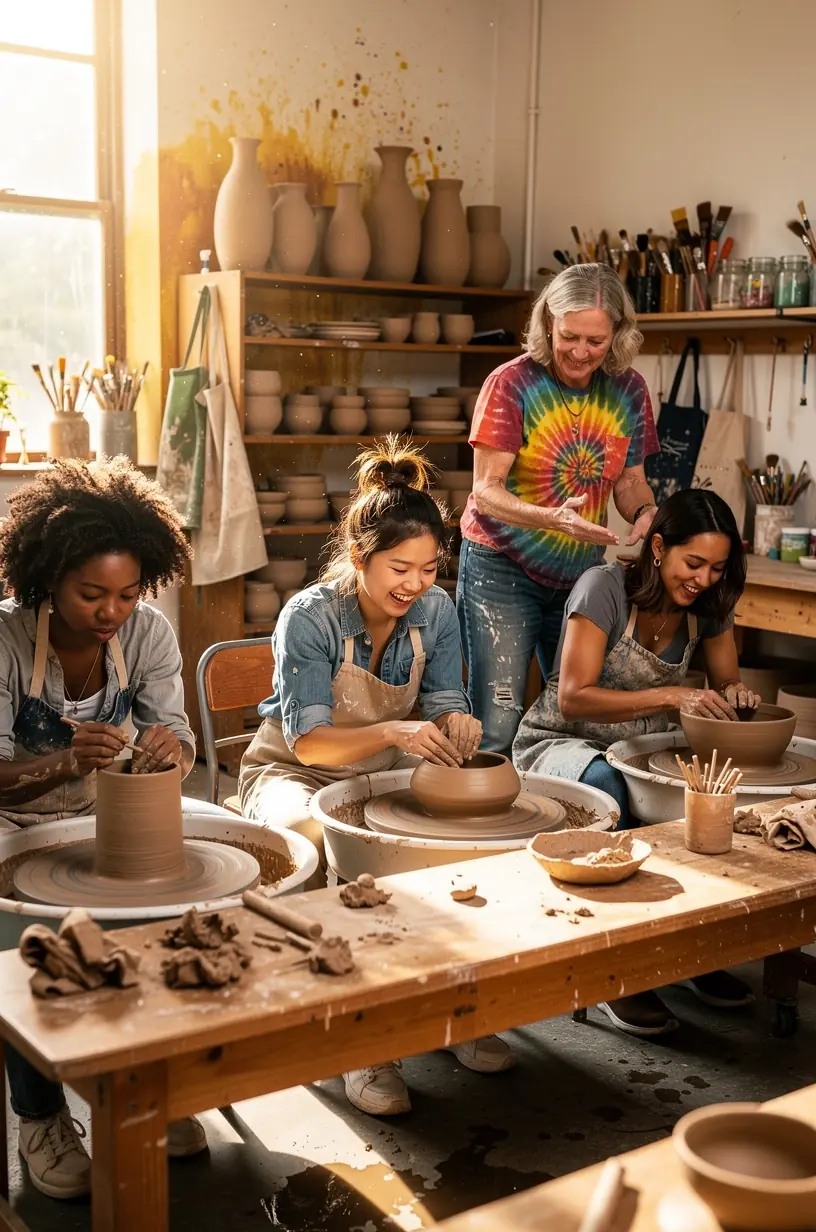
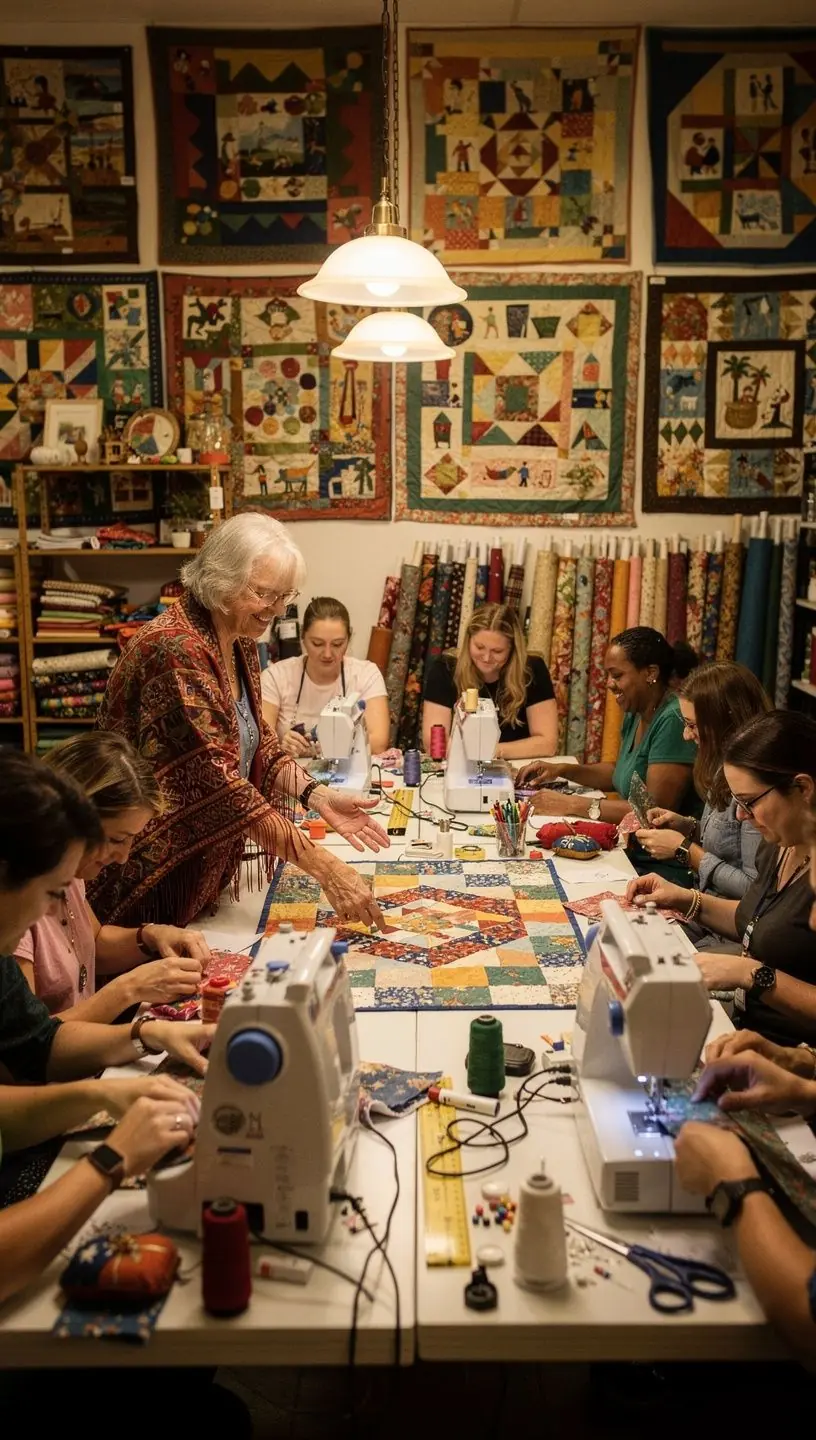
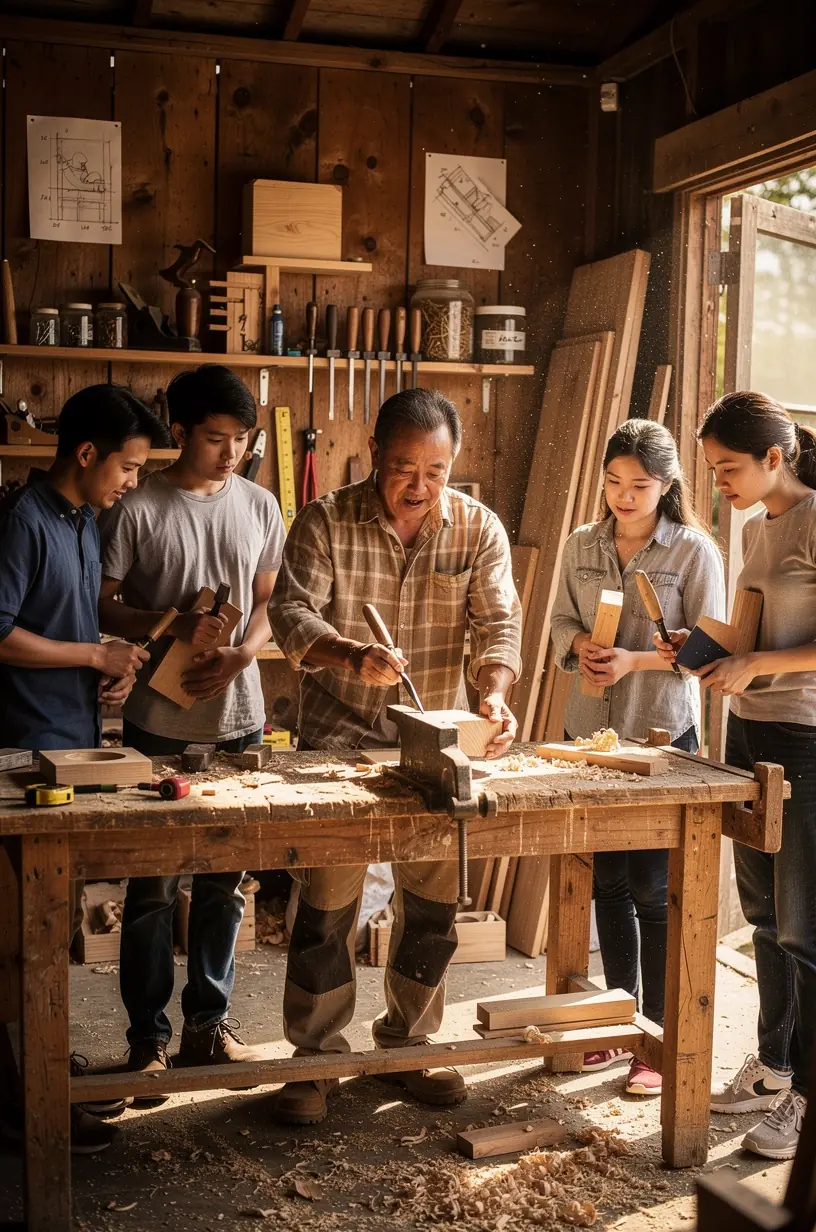
Craft communities typically consist of groups of individuals who share a common interest in handmade products. These communities can be found both online and offline and often provide a space for members to share ideas, techniques, and resources. According to research, engaging in community-based activities can lead to improved crafting skills and greater satisfaction among hobbyists.
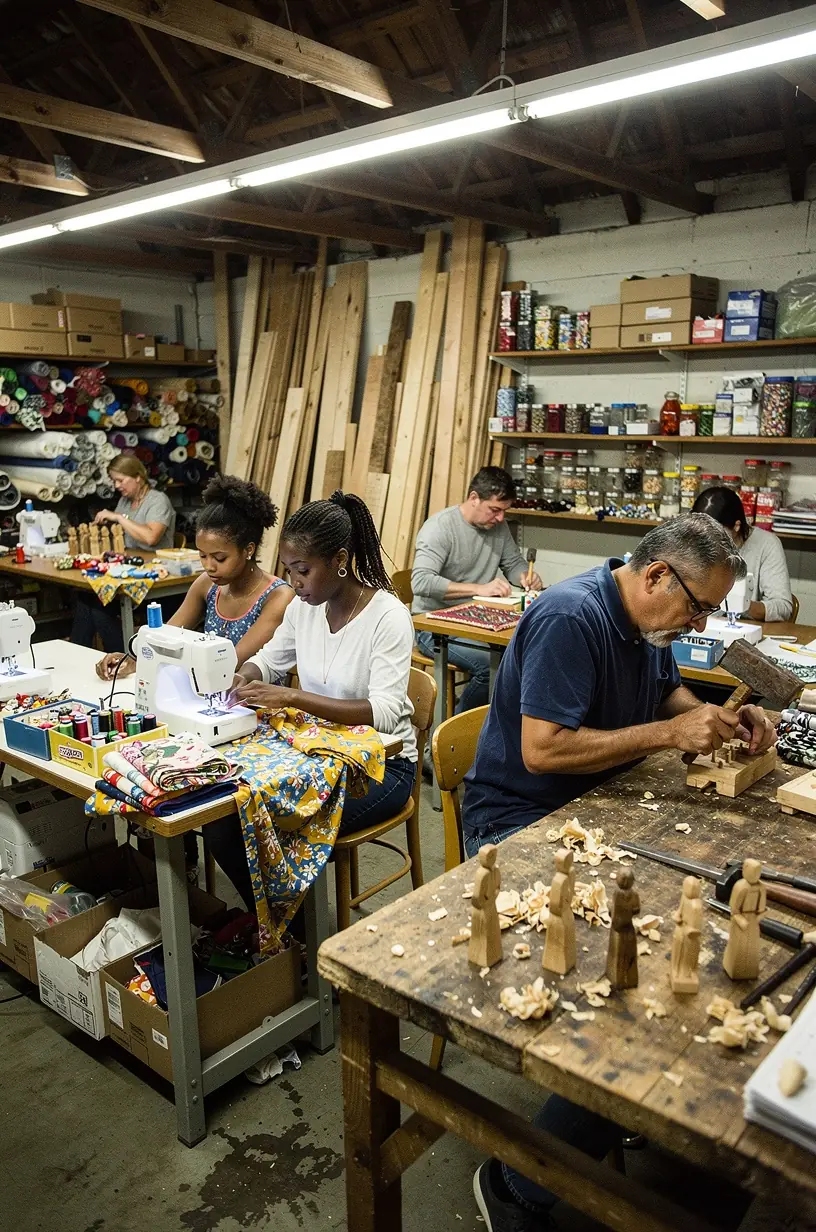
"Craft communities provide a unique platform for sharing knowledge and inspiring creativity among members." - Craft Industry Expert
The Benefits of Collaboration
Collaboration within crafting communities is often beneficial for several reasons:
- Knowledge Sharing: Members can exchange techniques and tips that may not be easily found through traditional learning methods. Many users report that learning from peers has helped them master new skills more effectively.
- Support and Motivation: Community members typically encourage each other, which can help maintain motivation. Studies show that having a support system can increase the likelihood of achieving crafting goals.
- Access to Resources: Many crafting communities provide access to shared tools, materials, or facilities, which can be essential for hobbyists who may not have the means to invest extensively in their craft.
Building a Crafting Community
Starting or joining a crafting community can be a rewarding experience. Here’s how you can begin:
- Identify Your Interests: Determine what type of crafting aligns with your passion. Many communities focus on specific crafts such as knitting, woodworking, or pottery.
- Find Local or Online Groups: Look for groups that align with your interests. Websites like Meetup or social media platforms often have dedicated crafting groups.
- Participate Actively: Engage with members by sharing your work, asking questions, and offering support to others. Active participation enhances the sense of community.
Acknowledge the Limitations
While crafting communities can provide numerous benefits, it’s important to recognize some limitations:
- Time Commitment: Engaging with a community typically requires a commitment of time, as building relationships and participating in discussions can take several hours each week.
- Learning Curve: Many community members may have varying levels of expertise, which can sometimes create a learning curve for beginners.
- Accessibility: Not every community will be suitable for every individual; some may not align with your crafting style or values.
Conclusion
In summary, the role of community in crafting and collaboration is substantial and can often lead to improved skills, enhanced motivation, and lasting friendships. By actively participating in crafting communities, hobbyists can further their skills while enjoying the camaraderie of like-minded individuals. Remember that while these communities offer support and resources, they also require commitment and active involvement to fully reap their benefits.
Learn More