How to Create an Effective Crafting Workflow
Establishing a streamlined crafting workflow is crucial for hobbyists and artisans looking to optimize their time and resources. By understanding the fundamental principles of an effective workflow, crafters can enhance productivity and creativity while minimizing frustration. This article will explore key strategies and techniques to create a reliable crafting workflow.
Understanding the Basics
Creating an effective workflow typically involves organizing your materials, planning your projects, and allocating time wisely. According to industry experts, a well-structured approach may lead to improvements in productivity by as much as 20-30% in similar crafting contexts. This works because it allows crafters to focus on their creative processes without getting bogged down by unnecessary distractions or disorganization.

"An effective crafting workflow can transform your creative process, making it smoother and more enjoyable." - Crafting Industry Insights
Steps to Develop Your Crafting Workflow
- Assess Your Current Workflow: Take note of your current crafting habits. Identify bottlenecks and areas where you feel most disorganized. This initial evaluation typically takes a few hours but can provide valuable insights.
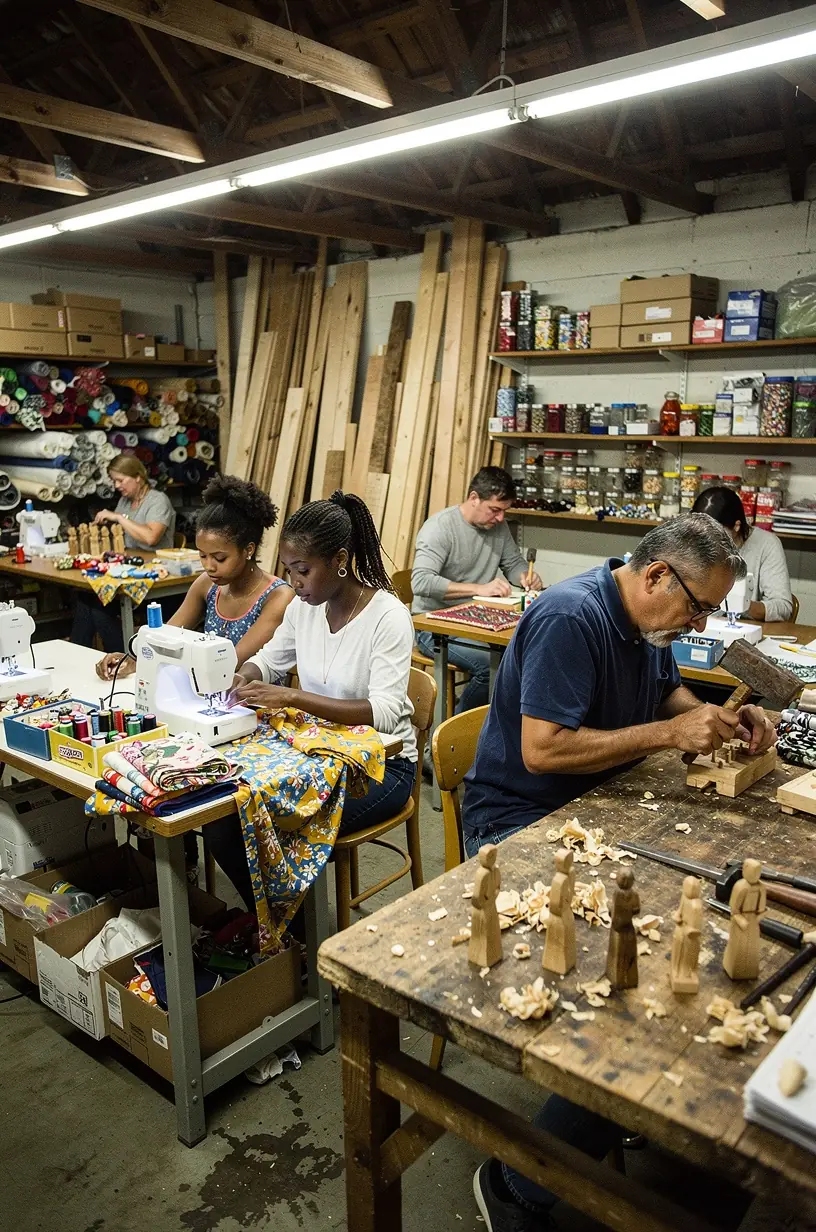
- Organize Your Workspace: A clutter-free environment is essential. Research indicates that a tidy workspace can significantly improve focus and efficiency. Aim to categorize your supplies in a way that makes sense for your projects.
- Plan Your Projects: Developing a project plan can help you stay on track. Many users report that using a planner or digital tool to outline steps and deadlines makes it easier to manage multiple projects. This step may require some initial time investment but pays off through increased clarity and direction.
- Set Realistic Goals: Understand your limitations and set achievable targets. This approach works best when you break larger projects into smaller, manageable tasks. Acknowledging that complex projects typically require a longer commitment is vital for maintaining motivation.
- Allocate Time Wisely: Devote specific times each week to work on your crafts. In most cases, setting aside dedicated time helps cultivate a consistent practice, which is crucial for skill development.
Tools and Resources to Enhance Your Workflow
Several tools can assist in refining your crafting process:
- Project Management Apps: Tools like Trello or Asana can help you visualize your tasks and deadlines, fostering better project organization.
- Inventory Management: Keeping track of your materials can save time and reduce stress. Some crafters find using inventory applications helpful for this purpose.
- Online Tutorials and Workshops: Engaging with online resources can provide new techniques and inspire creative ideas, which many crafters find beneficial for staying motivated.
Conclusion
Developing an effective crafting workflow requires patience and dedication. While it may involve an initial investment of time to assess and organize, the long-term benefits typically lead to enhanced creativity and productivity. Remember, the goal is to create a system that works for you, allowing your artistic talents to flourish. By following these strategies, you can set realistic expectations and embark on a fulfilling crafting journey.