Understanding the Basics of Handmade Product Materials
Creating handmade products requires a solid understanding of the materials involved. This article aims to provide hobbyists with essential knowledge about various materials used in handmade crafts, exploring their properties, benefits, and applications.
Understanding the Basics
When embarking on a handmade project, the choice of materials is crucial. Different materials not only affect the aesthetic appeal of the product but also impact durability, functionality, and the overall crafting process. According to industry experts, understanding these characteristics can lead to more successful outcomes in handmade creations.
Common Handmade Materials
Some of the most prevalent materials used in handmade products include:
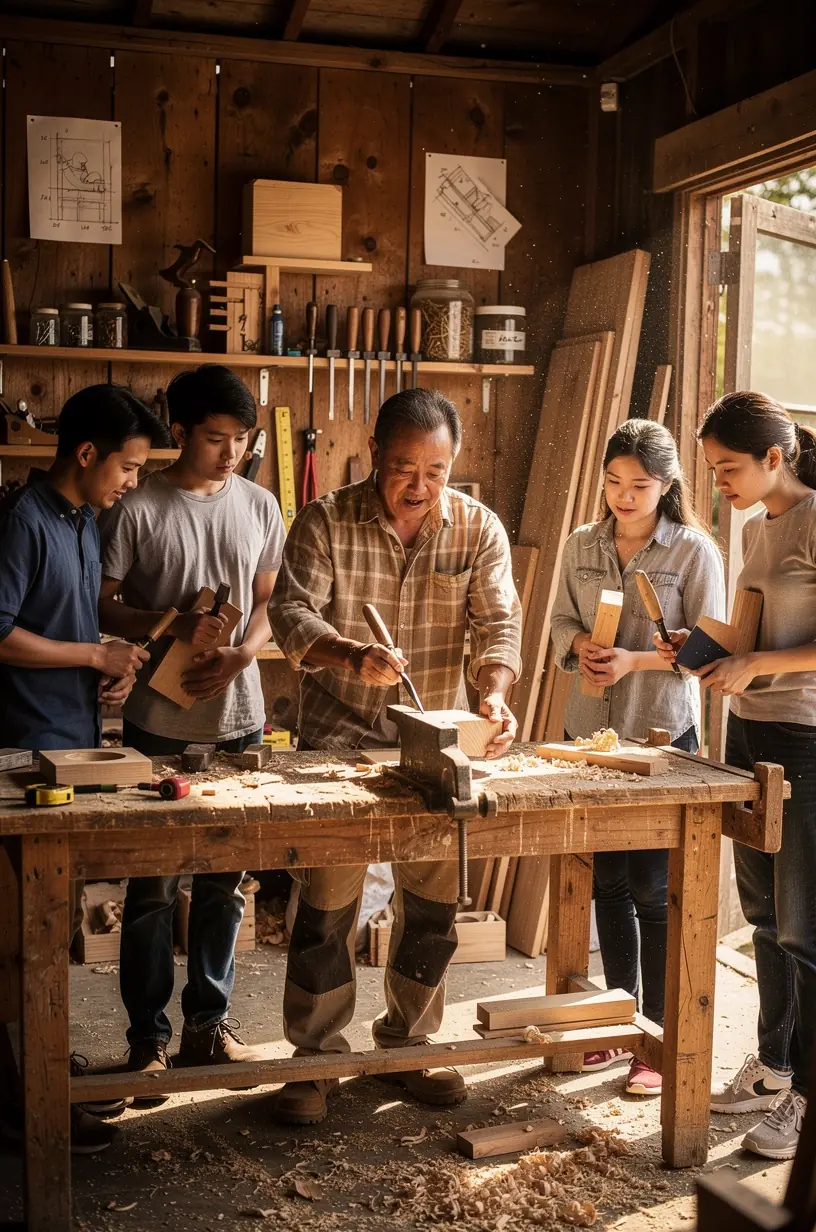
- Wood: Often used in furniture and decorative items, wood is valued for its natural beauty and sturdiness. Many artisans recommend using hardwood for items expected to endure regular use.
- Fabric: Essential for sewing and textile crafts, fabrics come in various types, such as cotton, linen, and wool. Each type has distinct qualities, with cotton being breathable and wool offering warmth.
- Clay: Frequently used in pottery and sculpture, clay can be shaped and fired to create lasting items. Research indicates that different types of clay, like earthenware and stoneware, yield different results in terms of durability and finish.
- Paper: Used in crafts such as scrapbooking and card making, paper can vary in weight and texture, affecting the final product's look and feel. According to studies, heavier paper can provide more durability for items that are handled frequently.
"Understanding the unique properties of each material can significantly enhance your crafting results." - Crafting Expert
Choosing the Right Material
Selecting the appropriate material often depends on several factors including:
- Project Requirements: Assess the intended use of the product. For instance, if creating outdoor furniture, opting for weather-resistant materials like treated wood is advisable.
- Skill Level: Certain materials may involve a steeper learning curve. For example, working with clay often requires prior knowledge of sculpting techniques, while fabric crafts may be more accessible for beginners.
- Budget: Materials vary significantly in cost. While high-quality materials can enhance the final product, many users report that affordable alternatives can also yield satisfactory results.
Emphasizing Sustainability
In recent years, there has been a growing emphasis on sustainable materials in handmade crafts. Industry experts suggest that using recycled or eco-friendly materials can not only reduce environmental impact but also attract a conscious consumer base.
For instance, using reclaimed wood or organic fabrics is often viewed favorably by buyers who prioritize sustainability in their purchasing decisions. This trend indicates a shift towards more responsible crafting practices that reflect a commitment to the environment.
Conclusion
Understanding the basics of handmade product materials is essential for anyone involved in crafting, whether a hobbyist or an aspiring entrepreneur. By considering material properties, project requirements, and sustainability, crafters can enhance their creations and achieve better results. Remember, the choice of materials can significantly influence not just the appearance but also the longevity and functionality of your handmade products.
As you explore different materials, take your time to experiment and learn from each project. While the journey may involve a learning curve, the rewards of creating high-quality handmade items will often make the effort worthwhile.
Learn More